
Steel Building Price Per SQM in Australia
Engineering Your Logistics Hub: A Practical Guide to Steel Warehouses in Colombia
The industrial real estate landscape in Colombia is shifting rapidly. From the expanding Zonas Francas in Bogotá (Funza, Mosquera, and Cota) to the critical port logistics hubs in Cartagena and Buenaventura, the demand for high-capacity, clear-span storage is at an all-time high.
However, as any structural engineer working in Colombia knows, building here presents a unique set of challenges. We face intense seismic activity, highly varied topography, complex inland logistics, and aggressive coastal climates. Relying on local steel fabrication often results in severe project delays and inflated costs due to limited local mill capacities and high overheads.
To solve this, developers are increasingly importing pre-engineered steel buildings directly from global manufacturing hubs. As a Chinese manufacturer working daily alongside Colombian structural engineers and project managers, we understand that a successful project starts with transparent, accurate numbers.
In this guide, we will break down exactly how a warehouse steel structure quotation is calculated, what design factors impact your bottom line, and how importing directly from a specialized factory ensures your project complies strictly with Colombian engineering standards.
Warehouse Quotation
When you reach out to a factory for a warehouse steel structure quotation, you are not buying an off-the-shelf product. You are requesting a custom-engineered structural solution. If a supplier gives you a generic price per square meter without asking about your specific location in Colombia, you should be extremely cautious.
In Colombia, the pricing of a steel structure is dictated primarily by the Norma Sismo Resistente (NSR-10). Our engineering department must calculate the exact steel tonnage required to meet these strict safety codes.
Here is what we evaluate to build your warehouse steel structure quotation:
1. Seismic Hazard Zones Colombia has highly active fault lines. A warehouse built in Cali or the Eje Cafetero (High Seismic Hazard Zone) requires much heavier structural columns, deeper beam sections, and specialized rigid node connections compared to a similar building in the Eastern Plains (Low Seismic Zone). This increase in steel weight directly affects the material cost.
2. Wind Loads If your project is located in Barranquilla or Puerto Colombia, we must engineer the structural frame and the cladding systems to withstand intense Caribbean wind pressures. This means closer spacing of the roof purlins and thicker steel sheets, which will be reflected in the quote.
3. Soil Conditions The Sabana de Bogotá is notorious for its soft, clay-like soils. A heavier building requires a massive, expensive foundation. Because our pre-engineered steel structures are significantly lighter than traditional concrete, we help local engineers minimize the foundation footprint, which drastically reduces your overall civil works budget.
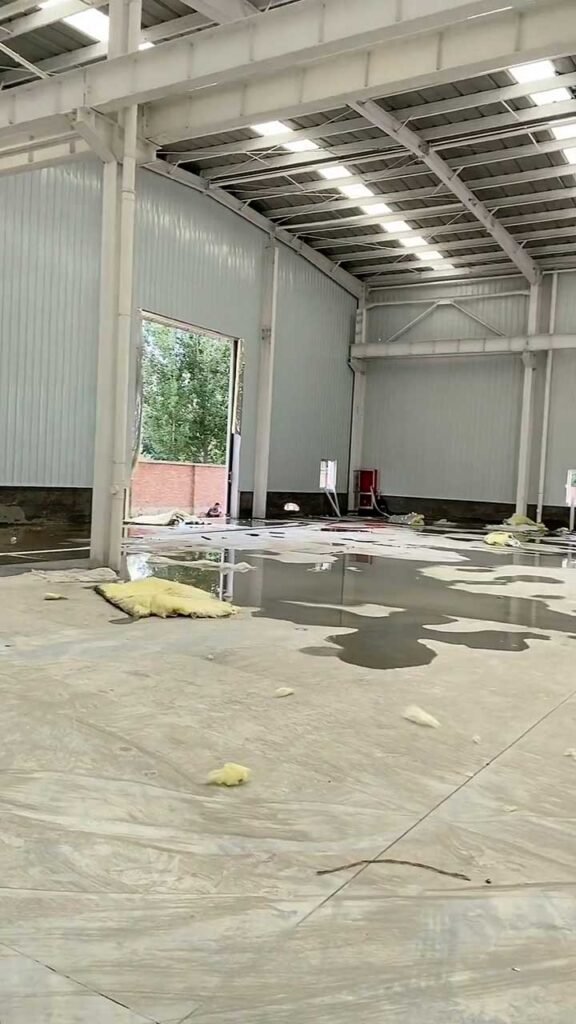
Steel Warehouse Supplier
Choosing the right international partner is about more than just finding the lowest factory price. A professional Chinese Steel Warehouse Supplier understands the specific logistical hurdles of delivering heavy infrastructure into Colombia.
Getting a container to the port is the easy part. The real challenge is the inland freight.
If your cargo arrives at the Port of Buenaventura and needs to reach Bogotá or Medellín, the trucks must cross the steep, winding roads of the Andean cordilleras (such as the Alto de La Línea). We factor these local logistics into our manufacturing process. We strategically pack the 40ft High Cube containers to respect the maximum payload limits of Colombian transport regulations. We also ensure that no single structural steel member is too long or awkwardly shaped to navigate the tight mountain curves, preventing costly transloading fees or delays once the shipment lands in South America.
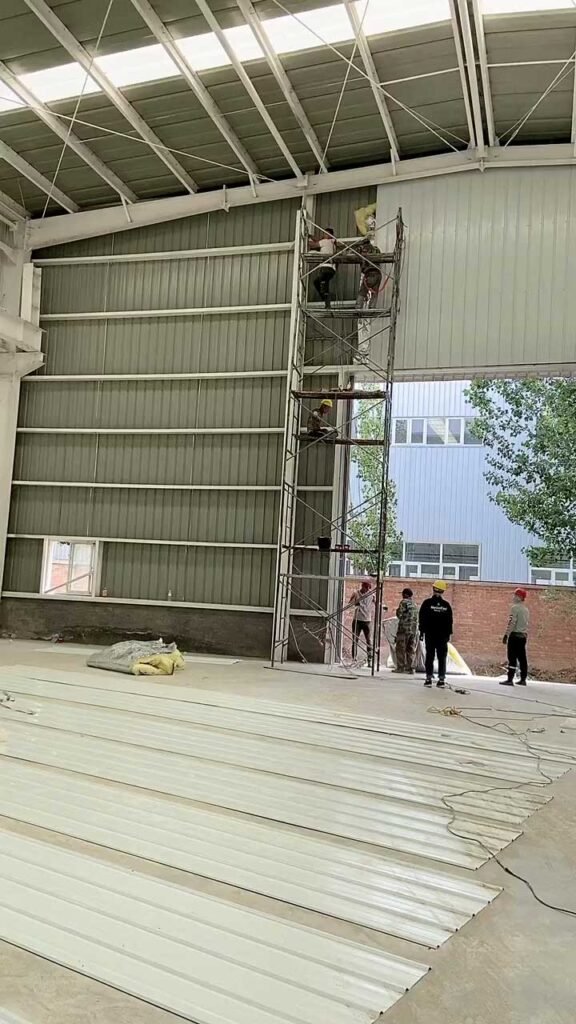
Warehouse Building Cost
In the Colombian construction market, traditional masonry and concrete (block and beam) are deeply ingrained. However, for industrial applications, concrete is highly inefficient.
Let’s look at a practical comparison of your total Warehouse Building Cost when choosing imported steel versus local traditional methods.
| Project Factor | Traditional Concrete & Block Construction | Imported Pre-Engineered Steel |
| Code Compliance | Meeting NSR-10 with concrete requires massive shear walls and heavy columns that consume floor space. | Steel has high ductility, naturally absorbing seismic energy with a lighter, smaller structural footprint. |
| Construction Speed | 8 to 14 months. Highly vulnerable to Colombia’s heavy rainy seasons (temporadas de invierno). | 2 to 3 months. Fast, bolted mechanical assembly. Rain does not stop the erection process. |
| Clear Span Capacity | Limited. Requires interior support columns every 8 to 10 meters, destroying forklift maneuverability. | Massive Clear Spans. Up to 50 meters wide without a single central column, perfect for dense racking. |
| Material Waste | High levels of waste, debris, and theft on Colombian job sites. | Zero Waste. The exact amount of steel is pre-cut, coded, and delivered ready to bolt together. |
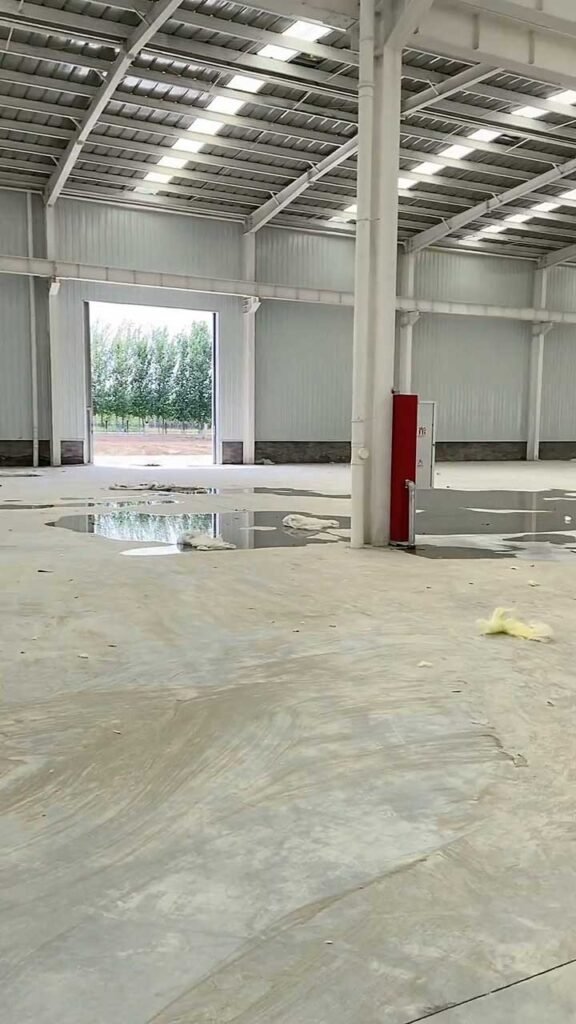
While concrete might seem cheaper when looking strictly at local material costs, the prolonged labor hours, expensive foundation requirements, and delayed operational start dates make the overall Warehouse Building Cost of a steel structure far more profitable for developers.
Industrial Warehouse Quotation
Industrial facilities are rarely just empty boxes. The operational requirements inside the building will fundamentally alter the structural design and, consequently, your Industrial Warehouse Quotation.
When we collaborate with your local engineering team, we need to define the following parameters to ensure the quote is accurate:
Overhead Bridge Cranes (Puentes Grúa) If your facility is a manufacturing plant or a heavy machinery depot, you may need overhead cranes. You cannot simply attach a 10-ton crane to a standard warehouse column. We must engineer heavy-duty crane runway beams and structurally reinforce the primary H-columns directly in our factory. This heavy fabrication is much cheaper to execute in our automated CNC facilities in China than paying local welders to modify structures on-site in Colombia.
Mezzanines and Office Spaces Land in prime logistics corridors like the Siberia-Tenjo route is expensive. To maximize the footprint, many clients request a structural steel mezzanine integrated into the main frame to house their corporate offices. We factor the live loads of these second-story floors into the Industrial Warehouse Quotation.
Anti-Corrosion Strategies The climate dictates the paint system. For a dry, high-altitude project in Bogotá, a standard alkyd or epoxy primer is perfectly adequate. However, if your building is in the humid, saline environment of Cartagena or Santa Marta, the steel will corrode rapidly without proper protection. In these cases, we upgrade the specification to Hot-Dip Galvanizing or apply a marine-grade polyurethane topcoat, ensuring a 50-year lifespan without constant local maintenance.
Prefab Warehouse Price
To give you a realistic perspective of the financial breakdown, let’s review a typical project scenario.
Project Example: Logistics Center in Funza, Cundinamarca A Colombian distribution company needed a 2,500-square-meter facility with a 12-meter eave height to accommodate high-density racking. They requested a warehouse steel structure quotation from our factory.
Here is how the Prefab Warehouse Price typically breaks down in a real-world scenario:
Material Cost (FOB China): This is the core price of the engineered steel frame, roof purlins, and wall cladding. Thanks to global purchasing power, the base material cost is highly competitive, typically ranging from $50 to $85 USD per square meter, depending on the exact clear span and NSR-10 seismic requirements.
Ocean Freight to Buenaventura: We consolidated the entire 2,500 sqm building into standard shipping containers. Even with fluctuating maritime rates, the cost per square meter added by ocean freight is minimal when spread across a large industrial facility.
Import Duties & Inland Freight: The client’s customs broker handled the nationalization, and local trucks transported the containers over the mountains to Funza.
Local Assembly: Because the building arrived as a precise, pre-drilled kit, the local Colombian contractor erected the entire structure using basic cranes and bolting crews in just 5 weeks. No on-site welding was required.
The Result: The client achieved a fully operational facility months faster than traditional methods. The early operational revenue generated by starting distribution ahead of schedule easily absorbed the ocean freight costs, making the overall Prefab Warehouse Price a massive financial win for the developers.
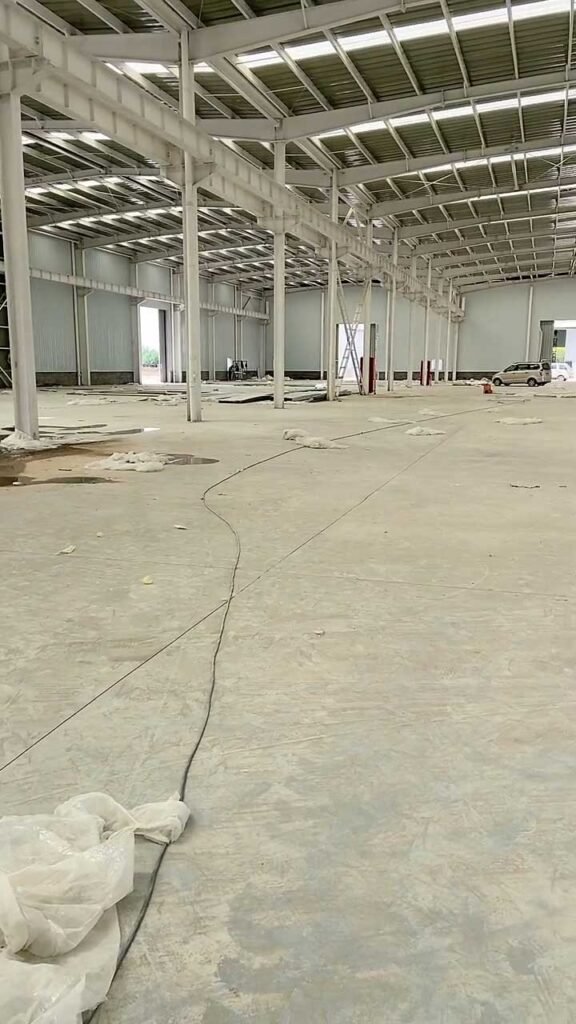
Secure Your Logistics Infrastructure Today
In Colombia’s demanding industrial market, relying on slow construction methods or under-engineered local fabrication puts your investment at risk. By partnering directly with a global manufacturer that understands local NSR-10 compliance and complex Andean logistics, you protect your capital expenditure and accelerate your return on investment.
Stop guessing about your construction budget and avoid generic estimates. To get an exact, structurally sound warehouse steel structure quotation, our engineering department needs to review your architectural plans, local wind/seismic zone, and operational needs.
Request a Free Warehouse Quotation Send us the dimensions of your upcoming project (length, width, eave height) and the specific Colombian municipality where you plan to build. Our team will provide a transparent, detailed structural proposal engineered for your success.